VIVAN Life Sciences Blog

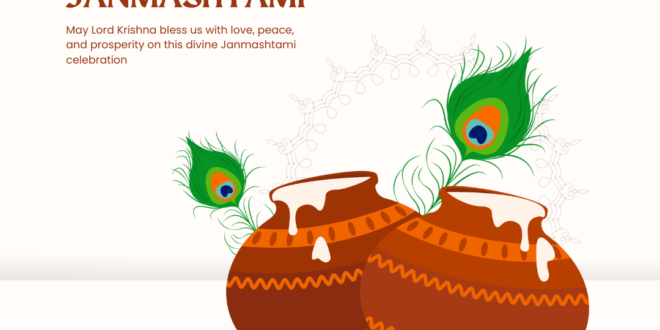
Janmashtami, also known as Krishna Janmashtami, is a Hindu festival celebrating the birth of Lord Krishna, the eighth avatar of Vishnu. It’s a time for devotion, remembering Krishna’s life, and celebrating the triumph of good over evil. The festival is observed with fasting, prayers, and singing devotional songs, particularly at midnight, when Krishna is believed to have been born.
Religious and Spiritual Significance:
- Birth of Lord Krishna:Janmashtami marks the birth of Lord Krishna, a central figure in Hinduism, revered as a deity and a divine teacher.
- Reincarnation of Vishnu:Krishna is considered the eighth avatar, or incarnation, of Lord Vishnu, the preserver of the universe, signifying his divine descent to restore dharma (righteousness).
- Victory of Good over Evil:The story of Krishna’s birth is intertwined with the triumph of good over evil, as he was born to end the tyrannical reign of King Kansa.
- Spiritual Lessons: Krishna’s teachings, particularly in the Bhagavad Gita, emphasize duty, selfless service, and the importance of living a righteous life, offering spiritual guidance to devotees.
Cultural and Observances:
- Fasting and Vigils: Devotees often observe a fast (upavasa) and stay awake through the night in vigil (ratri jagaran), singing devotional songs (bhajans).
- Worship and Ceremonies:At midnight, the traditional time of Krishna’s birth, statues of baby Krishna are bathed, dressed, and worshipped.
- Reenactments and Stories: Celebrations include vibrant reenactments of Krishna’s childhood, particularly his playful antics in Gokul and Vrindavan.
- Dahi Handi:The next day, the festival of Dahi Handi is celebrated, symbolizing Krishna’s love for butter (makhan).
- Community Gathering: Janmashtami fosters a sense of community and togetherness through shared celebrations, prayers, and cultural events.
- Nandotsav: Following Janmashtami, the festival of Nandotsav is celebrated, commemorating the day when Krishna’s foster father, Nanda, distributed gifts to the villagers of Vrindavan.
Key Themes and Values:
- Righteousness and Duty: Janmashtami emphasizes the importance of following one’s dharma and fulfilling one’s duties.
- Selflessness and Devotion: The festival encourages selflessness and devotion to a higher power, embodied by Lord Krishna.
- Love and Harmony: The celebrations promote love, peace, and harmony within communities and families.
- Teamwork and Cooperation: Dahi Handi, in particular, highlights the importance of teamwork and cooperation.
As the midnight bells ring and the joyous chants fill the air, Janmashtami reminds us of the eternal values of love, righteousness, and devotion. In honoring Krishna’s birth, we embrace the light of goodness, unity, and hope that continues to guide generations.