VIVAN Life Sciences Blog

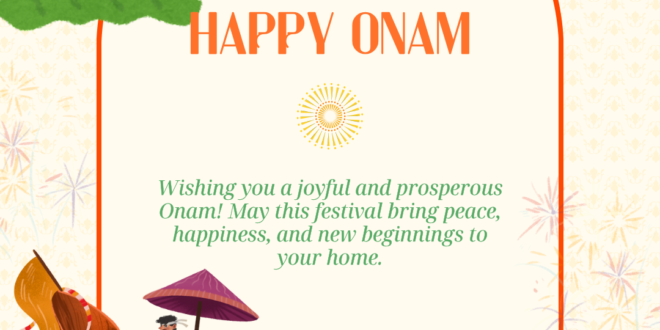
Onam holds dual significance as both a harvest festival and a commemoration of the benevolent King Mahabali’s annual return to Kerala. It symbolizes prosperity, unity, and gratitude for nature’s bounty, fostering a spirit of togetherness, equality, and cultural richness within communities.
Celebrated with vibrant traditions such as floral decorations (Pookkalam), boat races, tiger dances, and the grand vegetarian feast (Onasadya), Onam remains a vital expression of Keralite heritage and the enduring spirit of community.
Historical Significance
In 1961, during the tenure of Chief Minister Pattom Thanu Pillai, Onam was officially declared the national festival of Kerala. The following year, however, large-scale celebrations were curtailed due to the Indo–China War of 1962. Despite this interruption, the declaration marked a turning point, after which Onam gradually evolved into a grand public festival celebrated not only across Kerala but also by the Malayali diaspora worldwide.
Mythological Roots
Onam commemorates the return of the generous daitya king Mahabali, who was banished to the netherworld by Vamana, the fifth avatar of Lord Vishnu.
According to Hindu legends, Mahabali defeated Indra, king of the devas, and became ruler of the three worlds. The devas sought refuge in Vishnu, who incarnated as the dwarf priest Vamana. During a ritual prayer, Vamana requested three paces of land. When Mahabali agreed, Vamana grew to cosmic proportions, covering the earth and heavens in two steps and sending Mahabali to the netherworld with the third.
Touched by Mahabali’s devotion and love for his people, Vishnu granted him the boon of visiting his kingdom once every year. This annual homecoming of King Mahabali is celebrated as Onam.
Timing of the Festival
Onam falls in the month of Chingam in the Malayalam calendar, corresponding to August–September in the Gregorian calendar. The festival date is based on the Panchāngam and coincides with the 22nd nakshatra, Thiruvonam.
Harvest Festival Significance
Beyond mythology, Onam is also deeply rooted in Kerala’s agrarian traditions:
- Gratitude for harvest – Marks the end of the monsoon season and thanksgiving for the rice harvest.
- Prosperity and abundance – Reflected in grand feasts, new clothes, and intricate floral designs.
Cultural and Social Importance
As Kerala’s official state festival, Onam is celebrated by people of all communities, embodying unity and inclusivity. Key highlights include:
- Cultural heritage – Showcased through Kathakali, Pulikali (tiger dance), Thiruvathira Kali, and other folk arts.
- Unity and harmony – A festival that emphasizes generosity, bonding, and togetherness.
- Feasting and sharing – The lavish Onasadya, served on banana leaves, symbolizes equality and hospitality.
- Pookkalam – Colorful floral arrangements that welcome King Mahabali and represent prosperity.
- Community events – Thrilling snake boat races (Vallam Kali) bring people together in celebration.
Traditional Games and Rituals
In many parts of Kerala, people participate in Onakkalikal (Onam games), including ox races (Maramadimatsaram), Uriyady, food-eating contests, and Pookkalam competitions.
Among the Kuravans of Travancore, Onam is also a day of offering thanks to ancestral spirits through rituals such as kalayam vaikkal, involving offerings of rice cakes, liquor, and incense. A similar ritual, Uchara, is observed during the Makaram harvest.
Onam is far more than a festival—it is a celebration of Kerala’s cultural identity, agrarian roots, and collective spirit. It blends mythology, tradition, and community into a vibrant festival of gratitude, prosperity, and unity, cherished both in Kerala and by Malayalis across the globe.