VIVAN Life Sciences Blog

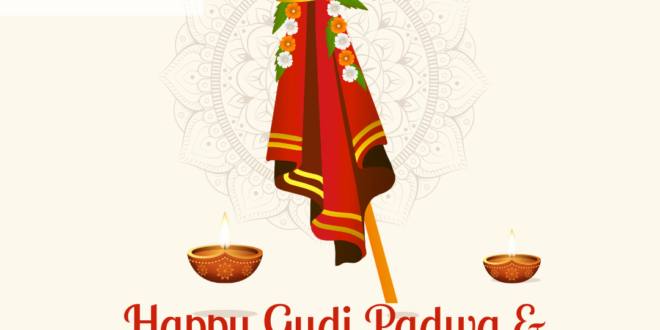
Gudi Padwa and Ugadi mark the beginn ing of the traditional New Year in different parts of India, symbolizing new beginnings, prosperity, and hope. While Gudi Padwa is celebrated in Maharashtra, Ugadi is observed in states like Karnataka, Andhra Pradesh, and Telangana—both reflecting the rich cultural diversity of our country.
These festivals are deeply rooted in the ancient Indian calendar system, particularly the Vikram Samvat, one of the oldest Hindu calendars established by King Vikramaditya. The Vikram Samvat calendar is lunisolar, meaning it is based on both the phases of the moon and the solar cycle. It begins with the month of Chaitra, which usually falls in March or April, aligning with the arrival of spring—a season of renewal and growth.
Significance of Vikram Samvat:
- It is widely used in cultural, religious, and traditional practices across India.
- The New Year under Vikram Samvat signifies victory of light over darkness and good over evil.
- It reflects harmony with nature, as it begins with the harvest season and blooming flora.
Vikram Samvat is believed to have been established by the legendary King Vikramaditya of Ujjain around 57 BCE. It stands as one of the oldest calendar systems still in use. Over time, it became widely adopted across different regions of India and Nepal, evolving into an integral part of Hindu traditions.
Understanding the Calendar
Unlike the Gregorian calendar, Vikram Samvat is a lunisolar calendar, meaning it is based on both the movement of the Moon and the Sun. This makes it highly accurate in aligning with seasonal changes and agricultural cycles.
The calendar consists of 12 months, beginning with Chaitra and ending with Phalgun. Each month is divided into two phases:
- Shukla Paksha – the waxing phase of the moon
- Krishna Paksha – the waning phase of the moon
Each day is known as a Tithi, which plays a crucial role in determining auspicious timings for rituals and ceremonies.
Year Difference
One of the most interesting aspects of Vikram Samvat is that it runs approximately 57 years ahead of the Gregorian calendar. For example, the year 2026 corresponds roughly to Vikram Samvat 2083.
Celebration of the New Year
The Vikram Samvat New Year begins on Chaitra Shukla Pratipada, which usually falls in March or April. This day is celebrated with great enthusiasm across India:
- In Maharashtra, it is known as Gudi Padwa
- In Karnataka and Andhra Pradesh, it is celebrated as Ugadi
In Gujarat, however, the New Year is observed after Diwali, showcasing the regional diversity of traditions.
Cultural and Spiritual Importance
Vikram Samvat is more than just a calendar—it is a reflection of India’s spiritual and cultural life. It plays a vital role in:
- Determining festival dates
- Planning religious rituals and ceremonies
- Guiding agricultural activities
- Preparing Panchang (astrological calendars)
It connects people with nature’s rhythms and reinforces the importance of living in harmony with cosmic cycles.
Gudi Padwa Traditions:
- People hoist a ‘Gudi’ (a decorated flag with a pot) outside their homes as a symbol of victory and prosperity.
- Homes are adorned with rangoli and fresh flowers.
- Special dishes like Puran Poli are prepared.
Ugadi Traditions:
- People prepare Ugadi Pachadi, a unique dish that combines six tastes symbolizing different emotions of life.
- It is a time for reflection, resolutions, and spiritual renewal.
- Panchanga Shravanam (listening to the yearly predictions) is an important ritual.
Both festivals remind us to embrace life’s ups and downs with positivity and gratitude, just like the diverse flavors of Ugadi Pachadi.
May this New Year bring happiness, success, and prosperity to you and your family.
Happy Gudi Padwa & Ugadi!