VIVAN Life Sciences Blog

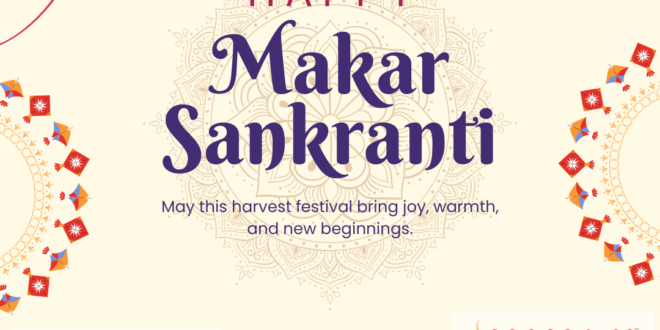
Makar Sankranti is one of the most significant festivals in India, marking the transition of the Sun into Capricorn (Makara). This celestial movement signals the beginning of Uttarayan, the Sun’s northward journey, which brings an end to the harsh winter months and welcomes longer, warmer days. Celebrated every year in January, Makar Sankranti symbolizes renewal, positivity, gratitude, and hope for new beginnings.
Astronomical and Seasonal Significance
Makar Sankranti is deeply rooted in astronomy. It marks the moment when the Sun starts moving northward, an event considered highly auspicious in Hindu tradition. This shift indicates the gradual onset of spring and increased daylight, symbolizing the victory of light over darkness and knowledge over ignorance.
A Festival of Harvest and Gratitude
Makar Sankranti is also a major harvest festival, especially associated with the Rabi crops. In most parts of India, crops have already been sown and farmers take this time to celebrate their hard work and pray for prosperity. The festival is an expression of gratitude to the Sun (Surya), the Earth, rain, and nature for sustaining life and providing abundance.
Spiritual Importance
Spiritually, Makar Sankranti is regarded as a highly auspicious period. People believe that taking a holy dip in sacred rivers such as the Ganga, Yamuna, Godavari, Krishna, and Kaveri helps cleanse sins and bring spiritual merit. Devotees offer prayers to the Sun God, thanking Him for health, success, and prosperity.
The importance of the Sun is mentioned in ancient Vedic texts, including the Gayatri Mantra from the Rigveda, highlighting Surya as the source of life and consciousness. The festival is also associated with the prophesied appearance of Kalki, the final avatar of Lord Vishnu.
Cultural Symbolism and Social Harmony
One of the most beautiful traditions of Makar Sankranti is the preparation and sharing of sweets made from sesame seeds (til) and jaggery (gur/gud). These sweets symbolize unity, harmony, and togetherness—teaching that despite differences, people should live in peace and sweetness.
Family gatherings, community feasts, caring for cattle, and celebrating around bonfires are common practices. In states like Gujarat, the sky comes alive with colorful kites, representing joy, freedom, and the reaching toward new heights.
Celebrated Across India by Many Names
Makar Sankranti is a pan-Indian solar festival, celebrated across the Indian subcontinent under different names and traditions, yet on the same date or over multiple days.
Regional Names and Celebrations
- Andhra Pradesh & Telangana: Sankranti, Makara Sankranti, Pedda Panduga
- Karnataka: Suggi Habba, Makara Sankramana
- Tamil Nadu: Pongal / Uzhavar Thirunal
- Assam: Magh Bihu / Bhogali Bihu
- Kerala: Makara Sankranti / Shankaranti
- Maharashtra, Goa, Nepal: Makar Sankranti, Maghi, Haldi Kumkum
- Gujarat: Uttarayan (Kite Festival)
- Punjab, Haryana, Himachal Pradesh: Maghi
- Odisha: Makara Mela, Makara Chaula
- Uttar Pradesh & Bihar: Khichdi Parv, Til Sankranti
- West Bengal & Bangladesh: Poush Sankranti
- Kashmir Valley: Shishur Saenkraat
- Arunachal Pradesh: Parshuram Kund Mela
Multi-Day Celebrations
In many regions, Makar Sankranti festivities last two to four days, each with its own significance:
- Day 1: Bhogi / Maghi (often preceded by Lohri)
- Day 2: Makara Sankranti / Pongal / Uttarayan / Magh Bihu
- Day 3: Mattu Pongal / Kanuma
- Day 4: Kaanum Pongal / Mukkanuma
Makar Sankranti is more than just a festival—it is a celebration of nature’s cycles, human unity, and spiritual renewal. It reminds us to express gratitude, let go of negativity, and embrace positivity as we move toward brighter and longer days. Whether through prayers, harvest celebrations, sharing sweets, or flying kites, Makar Sankranti beautifully blends tradition, culture, science, and spirituality.
May this auspicious festival bring warmth, prosperity, and happiness to all.