VIVAN Life Sciences Blog

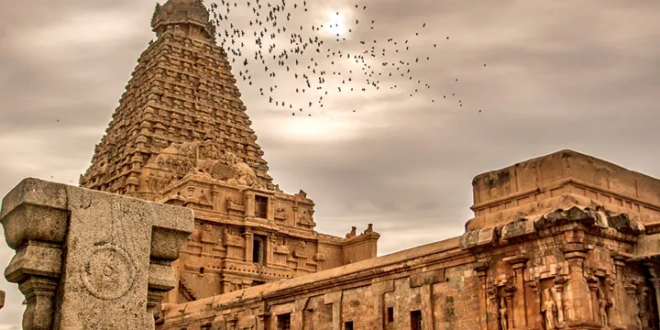
The Great Living Chola Temples stand as extraordinary reminders of India’s rich architectural, artistic, and cultural heritage. Recognized as a UNESCO World Heritage Site (inscribed in 1987 and extended in 2004), these temples were built between the 11th and 12th centuries by the powerful Chola Empire in present-day Tamil Nadu, India.
The Three Great Living Chola Temples
1. Brihadisvara Temple, Thanjavur
Built by Emperor Rajaraja Chola I around 1010 CE, the Brihadisvara Temple is one of the largest and most iconic temples in India.
- Features a massive 216-foot-high vimana (tower)
- Constructed entirely of granite without the use of mortar
- An engineering marvel, designed so that the main tower does not cast a shadow at noon
- Dedicated to Lord Shiva, symbolizing royal power and devotion
This temple reflects the Cholas’ advanced understanding of geometry, structural balance, and large-scale stone construction.
2. Brihadisvara Temple, Gangaikondacholapuram
Commissioned by Rajendra Chola I and completed in 1035 CE, this temple was built to commemorate his victorious campaigns and the establishment of a new imperial capital.
- Known for its 53-meter-high vimana
- Distinguished by a more graceful and curved upward profile
- Displays refined sculptures and detailed relief work
Often considered more elegant in form than its Thanjavur counterpart, this temple reflects artistic evolution within Chola architecture.
3. Airavatesvara Temple, Darasuram
Constructed in the 12th century by Rajaraja Chola II, the Airavatesvara Temple is smaller in scale but exceptionally rich in artistic detail.
- Features a 24-meter-high vimana
- Renowned for intricate stone carvings, sculptures, and decorative panels
- Represents the height of Chola craftsmanship and artistic sophistication
The temple’s detailed sculptures narrate stories from Hindu mythology and everyday life, offering insight into Chola-era culture.
Why Are They Called “Living” Temples?
Unlike many ancient monuments, the Great Living Chola Temples have been in continuous use for worship for nearly a thousand years. Rituals, festivals, and prayers are still performed daily, keeping ancient traditions alive.
Architectural and Cultural Significance
-
Architectural Marvels:
These temples demonstrate advanced construction techniques, precision stone-cutting, and innovative design concepts far ahead of their time. -
Artistic Excellence:
The temples showcase masterful stone sculptures and bronze casting, influencing South Indian art for centuries. -
Cultural Legacy:
They stand as enduring symbols of the Chola Dynasty’s four-century-long dominance, reflecting its military strength, economic prosperity, and cultural achievements.
A Legacy That Endures
The Great Living Chola Temples are not just relics of the past—they are vibrant, breathing spaces where history, devotion, and art converge. Their grandeur continues to inspire architects, historians, and visitors from around the world.
These temples remain a proud testament to India’s timeless heritage and the unmatched vision of the Chola rulers.
#GreatLivingCholaTemples #UNESCOWorldHeritage #IndianHeritage #CulturalHeritage #AncientIndia #SouthIndianArt