VIVAN Life Sciences Blog

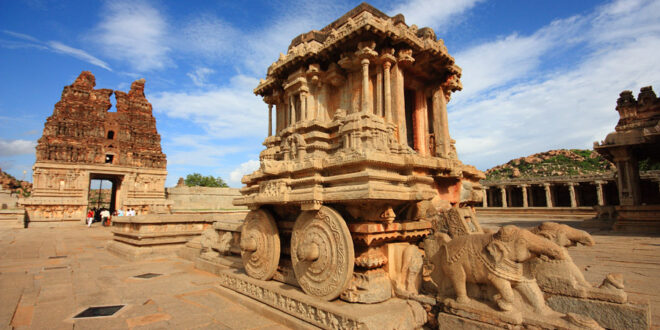
Hampi (often misspelled as “Humpy”) in Karnataka is a UNESCO World Heritage Site famous for the ruins of the Vijayanagara Empire, featuring stunning temples (like Virupaksha, Vittala), palaces, fortifications, and a unique landscape of giant boulders along the Tungabhadra River, making it a major historical and cultural destination with intricate carvings and significant architectural marvels.
Key Highlights of Hampi
- Historical Significance: From 1336 to 1565 CE, Hampi was a center of immense economic and administrative activity, with its princes building elaborate Dravidian temples and palaces that drew admiration from travelers. It was eventually conquered and pillaged by the Deccan Muslim confederacy.
- Virupaksha Temple: Dating back to the 7th century, this is the main temple dedicated to Lord Virupaksha and has been a continuously active place of worship since its foundation.
- Vittala Temple Complex: This complex is famous for its intricate carvings and the iconic Stone Chariot (a shrine designed to look like a chariot), which is one of the most recognizable monuments in Hampi. It is also known for its “musical pillars” that produce musical notes when tapped.
- Over 1,600 Remains: The expansive site, covering over 4,000 hectares, includes more than 1,600 surviving remains, such as forts, temples, shrines, water structures, and royal complexes like the Lotus Mahal.
- Natural Beauty: The ancient ruins are integrated with an unusual natural environment featuring a boulder-strewn valley, making it a unique destination for history buffs and trekkers alike.
#Hampi #UNESCOWorldHeritage #WorldHeritageSite #IncredibleIndia #KarnatakaTourism #IndianHeritage #VirupakshaTemple #VittalaTemple #StoneChariot #TempleArchitecture #DravidianArchitecture