VIVAN Life Sciences Blog

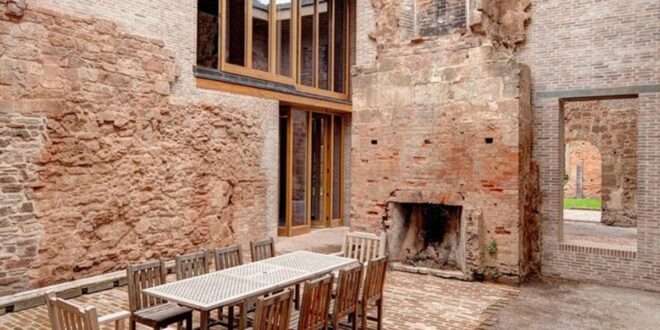
Long before cement took over, Indian homes stayed cool and breathable with lime plaster. As cities heat up, this ancient building material may be exactly what we need.
Think back to the last time you visited an old Indian home — a haveli in Rajasthan, a Chettinad mansion in Tamil Nadu, or even a village house in coastal Kerala. Remember how cool and calm it felt inside, even without fans or air conditioning?
That comfort wasn’t accidental. It was built into the walls themselves.
For centuries, Indian homes used natural, climate-responsive materials like mud, wood, and lime plaster. These materials didn’t fight the weather — they worked with it. Today, as cement homes crack under heat and humidity, it might be time to bring some of that wisdom back.
Lime plaster: India’s age-old, climate-smart secret
Lime plaster is a traditional mix of calcium hydroxide and sand, sometimes enhanced with natural additives like jaggery, fenugreek seeds, or bael fruit. This humble blend formed the skin of our homes for generations—from palaces and forts to temples and village homes.
A great example is the Thirumalai Nayakkar Mahal in Madurai. Its lime-plastered halls stay naturally cool, even during peak summer. There’s no AC, no fancy insulation—just good design and timeless materials.
So what changed?
After Independence, cement became the go-to material. It promised speed, strength, and modernity. But with those promises came problems.
Cement doesn’t breathe. It traps heat. It can crack easily under seasonal stress. Over time, moisture seeps in, leading to damp walls, peeling paint, and even structural issues. And let’s not forget: cement production is one of the biggest contributors to carbon emissions globally.
Why lime plaster deserves a comeback — especially now
As India faces record-breaking heat and the need for greener living, lime plaster offers a quiet, powerful solution:
1. It keeps homes cool
Lime reflects sunlight and helps regulate temperature. It doesn’t trap heat like concrete, which means cooler interiors even during intense summers.
2. It breathes
Lime allows moisture to escape. This reduces dampness, bubbling paint, and mould—a huge benefit in humid or coastal areas.
3. It doesn’t crack easily
Unlike rigid cement, lime expands and contracts with temperature shifts. That flexibility means fewer cracks and repairs.
4. It’s better for the planet
Lime requires less energy to produce, and it absorbs carbon dioxide as it sets. It can also be recycled, making it a win for sustainability.
5. It revives Indian craftsmanship
Using lime supports traditional artisans and brings back aesthetic richness to modern homes. It’s a way of reconnecting with India’s architectural heritage.
5. It revives Indian craftsmanship
Using lime supports traditional artisans and brings back aesthetic richness to modern homes. It’s a way of reconnecting with India’s architectural heritage.
Resources to explore
- Organisations like INTACH and Centre for Science and Environment often promote lime-based heritage practices.
- Eco-building collectives such as “Made In Earth” (Bengaluru) or “The Earth Home” (Goa) offer consultations, materials, or workshops.
- For paints, look up brands offering limewash or mineral paints like LimeCoat or Back to Earth.
Rediscovering lime plaster isn’t about looking back with nostalgia. It’s about moving forward with insight. As our homes heat up and cement shows its limits, lime gives us a way to build that’s cooler, healthier, and more aligned with the planet.
Maybe the future of Indian homes doesn’t lie in something new, but in something ancient—quiet, resilient, and wise.
Ref : The better india